Vibe Coding for Biology Teachers:
From Static Diagrams to
Generative Simulators
Build interactive physiological simulators, Socratic chatbots, and differentiated labs using natural language — no coding required.

Answer-First Summary
How do biology teachers use vibe coding?
Biology teachers use vibe coding (Agentic Engineering) to translate raw biological concepts into interactive digital models and Socratic learning tools without writing code. By typing natural language instructions, an educator deploys multi-agent AI systems that produce a complete instructional bundle: a core lesson plan, specialized ELL adaptations, and browser-based physiological simulators — such as an interactive homeostatic feedback loop. This replaces passive textbook memorization with Productive Struggle, doubling conceptual retention while recovering up to 8 hours of weekly prep time.
Section 1: The Life Sciences Bottleneck
The Passive Memory Trap in Biology Education
Traditional high school and undergraduate biology instruction struggles with a fundamental defect: the static representation of dynamic, living systems. Students spend hours memorizing isolated vocabulary (alveoli, capillaries, partial pressure, myoglobin) or shading paper diagrams of the cardiovascular system.
The OECD 2026 Finding
The OECD Digital Education Outlook 2026 found that flat-text instruction of dynamic biological systems triggers widespread Cognitive Atrophy — students offload conceptual processing, resorting to shallow memorization to pass discrete assessments.
The AI Offloading Problem
When given basic chatbots, students drop assignments into the prompt box — inducing Cognitive Offloading. The machine executes the thinking, the student copies the final answer. Vibe Teaching structurally prevents this by hardcoding refusal mechanisms into every tool.
Section 2: Cross-Industry Validation
Software 3.0 in the Lab and the Classroom
This shift mirrors a massive structural transformation across scientific sectors. At institutions like the Broad Institute, biologists no longer write code line-by-line to execute genomic algorithms — they direct autonomous AI agents via natural language.
If real-world biologists use vibe coding to manipulate molecular structures and model epidemiological data, biology teachers should not be relegated to copying prompts into generic chatbots to make multiple-choice quizzes. They must use agentic frameworks to build custom software for their classrooms.
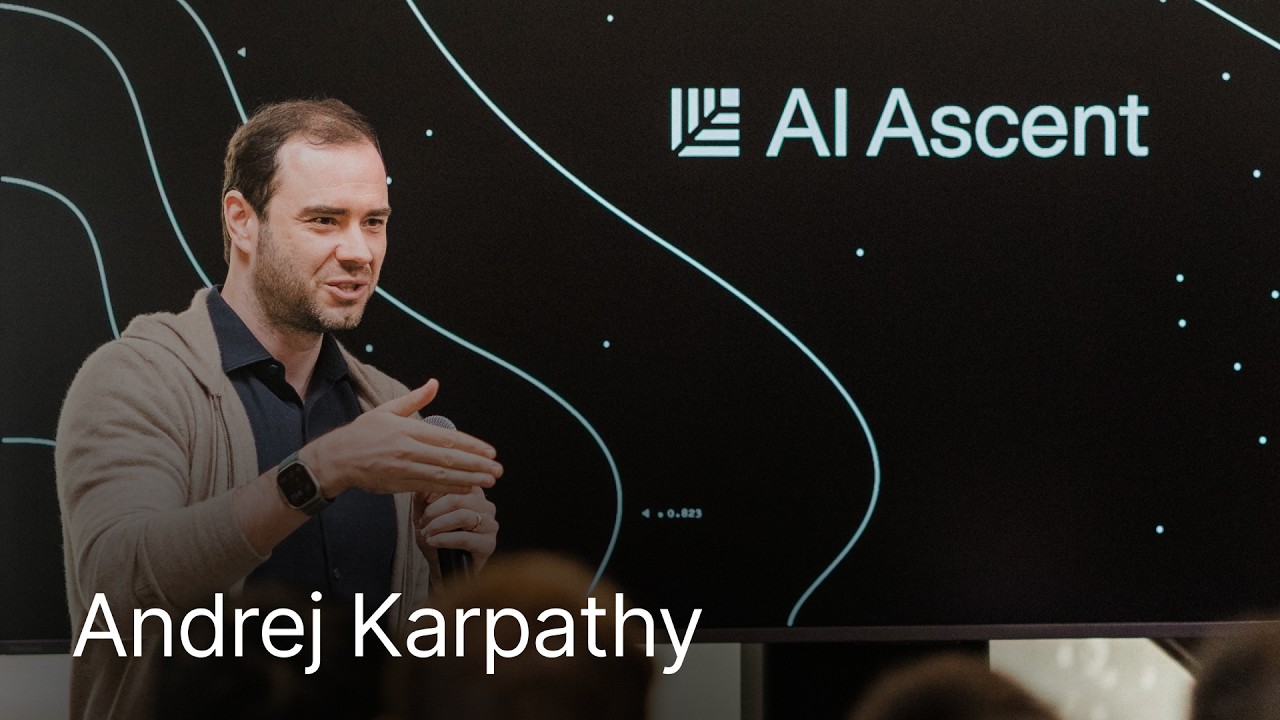
📺 Watch: Andrej Karpathy — From Vibe Coding to Agentic Engineering
The foundational Software 3.0 framework — how natural language is replacing syntax-based programming across science and engineering.
Section 3: Structural Comparison
Traditional Biology Planning vs. Vibe Teaching
Grade 11 unit: Homeostasis and Feedback Systems.
| Dimension | 📄 Traditional Planning | ⚡ Vibe Teaching |
|---|---|---|
| Production Model | Sequential: slide deck, then lab handout, then individual IEP/ELL modifications one at a time. | Parallel Fan-Out: one natural language intent generates a multi-artifact classroom ecosystem simultaneously. |
| Pedagogical Depth | Anatomical structure identification and rote terminology recall. | Physiological mechanism manipulation and Justification-Centred Assessment. |
| Differentiated Support | Static modifications: a simplified diagram or abbreviated definition sheet written by hand. | Dynamic scaffolding: real-time vocabulary bridges and adjustable text-complexity engines built into the tools. |
| Lab Modelling | Bound by physical materials, budget, or rigid commercial simulations. | Infinite, zero-cost creation of highly specific micro-simulators customized to the class's unique context. |
| Data Visibility | Teacher evaluates understanding after grading static homework sheets. | Live tracking of student thought progression, misconceptions, and Socratic conversation logs. |
Section 4: Blueprint in Action
A Grade 11 Systems Biology Unit Plan
Respiratory and circulatory system interaction — the Aviation Medicine Consultant scenario.
Step 1: Describe
💬 The Vibe Intent
Teacher’s Natural Language Input
“I am teaching the interaction between the respiratory and circulatory systems to my Grade 11 class. I want a high-engagement scenario where students act as ‘Aviation Medicine Consultants’ evaluating a pilot experiencing sudden cabin depressurization. The scenario must highlight how a drop in atmospheric partial pressure of oxygen disrupts gas exchange at the alveoli, alters hemoglobin binding affinity, and forces homeostatic compensation. I need parallel accommodations for three English Language Learners requiring continuous visual-text vocabulary matching.”
Step 2: Generate
⚡ The Parallel Fan-Out Bundle
Vibe Intent
Artifact A
Teacher Instructional Guide & Core Slides
Artifact B
"High-Altitude Cabin" Interactive Simulator
Artifact C
Socratic Medical Assistant ("Hemi")
Artifact D
Parallel ELL Vocabulary Bridge Handouts
Artifact A: Teacher Instructional Guide
Core slides and step-by-step teacher notes aligned to the Aviation Medicine scenario.
Artifact B: High-Altitude Cabin Simulator
Browser-based interactive dashboard: atmospheric slider, blood pH gauge, heart rate counter, O₂ saturation curve.
Artifact C: Socratic Medical Assistant "Hemi"
Walled-garden AI tutor that structurally refuses to give direct answers — forces physiological justification.
Artifact D: ELL Vocabulary Bridge Handouts
Parallel syntactic bridges with continuous visual-text matching for three ELL students.
Step 3: Refine
🔧 Oxford Rubric™ Governance Audit
✅ Safety
Simulation runs in a walled-garden, district-compliant browser. Student data is shielded from public LLM logs.
✅ Agency
Teacher reviews "Hemi" — if it gives up the Bohr effect too easily, teacher applies a natural language constraint.
✅ Accountability
Teacher retains total command. AI builds the HTML graphics; the teacher drives the Socratic debrief.
Refinement Prompt Example
“Harden the assistant. If a student asks why the pilot’s blood pH is dropping, do not give them the answer. Instruct the chatbot to ask them what chemical compound builds up in the blood when ventilation is insufficient.”
Section 5: The Student Experience
The “High-Altitude” Simulation — Live Demo
When students open the vibe-coded simulator, they don’t see a text box. They see a real-time Physiological Dashboard. Try it below.
Academic & Media Grounding
BERA 2026: Secondary AI Implementation
Systemic barriers facing modern science teachers and the preparedness gap.
OECD 2026: Digital Education Outlook
Cognitive Atrophy findings and the "metacognitive laziness" warning.
Karpathy: From Vibe Coding to Agentic Engineering
The Software 3.0 paradigm — natural language directing autonomous AI agents.
U.S. Dept. of Education: AI Toolkit
Official compliance framework for custom AI deployment in educational settings.
Build Your First Biology Simulator Today
Describe your biological system, the variables you want students to manipulate, and your class profile. Get a complete simulator, Socratic chatbot, and differentiated bundle in under 30 seconds.